 Jobs Visa Agent
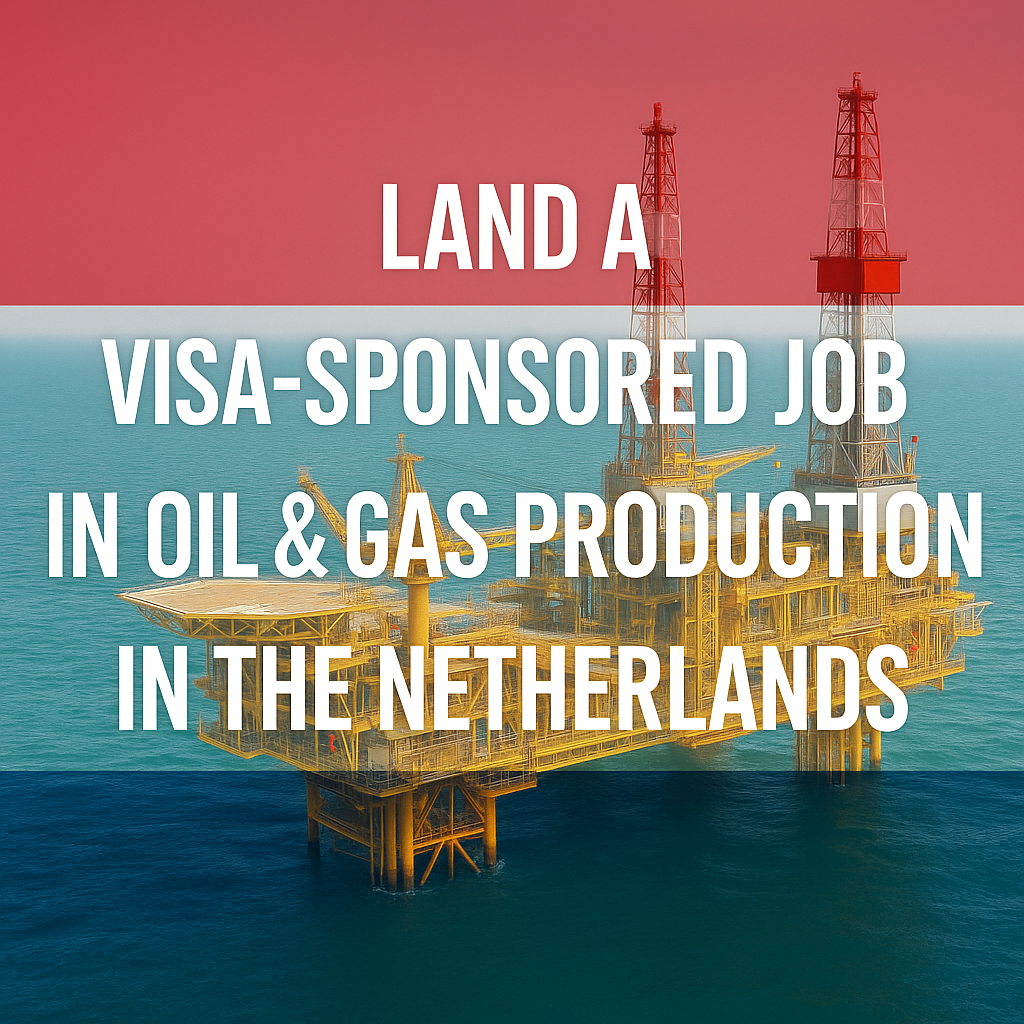
The Netherlands is renowned for its expertise in energy, with a mature oil & gas sector entrenched in advanced infrastructure and innovation. From offshore production to petrochemicals and renewable transitions, the industry remains a major employer of international professionals. A visa-sponsored role in this field can open doors to impactful work, generous compensation, and a stable European lifestyle.
Overview of the Dutch Oil & Gas Production Landscape
The Netherlands plays a pivotal role in Europe’s energy production, featuring significant offshore reserves, refinery networks, and gas distribution systems.
Key regional hubs include Rotterdam, The Hague, Groningen, and Zeeland, which host major operations, research facilities, and industry clusters.
Career Paths & High-Demand Roles
Here are some of the top job categories consistently sought after by oil & gas employers in the Netherlands:
| Role | Responsibilities |
|---|---|
| Petroleum Engineer | Optimize extraction techniques and reservoir modeling. |
| Reservoir Engineer | Analyze underground reserves to maximize output. |
| Process Engineer | Ensure efficient refining and petrochemical operations. |
| HSE Specialist | Implement environmental, health, and safety standards. |
| Drilling Supervisor / Technician | Oversee offshore drilling operations and maintenance. |
| Operations & Production Manager | Ensure smooth functioning of production facilities. |
Oil & gas roles in the Netherlands are among the best compensated. Monthly gross salary ranges include:
-
Petroleum Engineer: €5,000 – €8,000
-
Drilling Supervisor: €6,000 – €9,500
-
HSE Specialist: €4,000 – €6,500
-
Offshore Technician: €3,500 – €6,000
-
Project Manager: €5,500 – €10,000
-
Operations Manager: €2,500 – €4,000
Additional perks often include housing support, travel allowances, offshore premiums, performance bonuses, and relocation assistance.
Top Dutch Players Offering Visa-Sponsored Opportunities
-
Dyas – Headquartered in Utrecht, partners in hydrocarbon exploration and production across the Netherlands, the UK, and Colombia.
-
Allseas Engineering B.V. – Based in Delft and Eindhoven, oversees pipelaying and subsea construction for a global fleet of offshore vessels.
-
Atlas Professionals – Headquartered in Hoofddorp, a leading recruiter providing staffing solutions for drilling, maintenance, and oil & gas operations.
Where to Find Oil & Gas Roles with Sponsorship
-
Airswift – A global recruiter offering contract and permanent roles in oil & gas across the Netherlands, with assistance for visas and relocation.
-
Rigzone – Lists specialized openings such as mechanical inspectors, service technicians, and offshore project managers, particularly around The Hague and IJmuiden.
-
OilandGasJobSearch – Displays hundreds of active site operations, engineering, and maintenance roles in the Dutch oil & gas sector.
Skills and Qualifications Needed to Secure a Role
Landing a competitive oil & gas job in the Netherlands requires a blend of technical expertise, safety awareness, and adaptability. While the exact requirements vary by role, certain skills are universally valued.
Technical Skills
-
Proficiency in engineering software like AutoCAD, Petrel, and HYSYS.
-
Understanding of offshore drilling operations and maintenance protocols.
-
Knowledge of petrochemical processes and energy distribution networks.
Soft Skills
-
Clear communication, especially in multicultural teams.
-
Problem-solving under high-pressure situations.
-
Time management for complex projects with strict deadlines.
Certifications That Boost Your Profile
-
NEBOSH or IOSH for Health & Safety.
-
OPITO-approved offshore training certifications.
-
Project Management Professional (PMP) for supervisory roles.
Educational Pathways for Aspiring Candidates
Employers in the Dutch oil & gas sector generally prefer candidates with relevant higher education, although vocational qualifications can also lead to rewarding careers.
Popular Degrees
-
Petroleum Engineering
-
Mechanical Engineering
-
Chemical Engineering
-
Environmental Engineering
-
Industrial Safety & Risk Management
Vocational Options
-
Technical diplomas in drilling, welding, and offshore maintenance.
-
Specialized courses in instrumentation and process control.
Visa Sponsorship and Immigration Process
When a Dutch employer offers you a position, they handle most of the visa application process if they are an IND-recognized sponsor. The work visa typically falls under the Highly Skilled Migrant Permit or a similar category for offshore technical staff.
Key Points
-
Sponsorship covers your right to live and work in the Netherlands.
-
Most applications are processed within 2–4 weeks once the employer submits documents.
-
Family members can often join you under dependent visas.
Advantages of Working in the Dutch Oil & Gas Industry
-
High Salaries – Above-average pay compared to many EU countries.
-
Career Stability – Consistent demand for technical expertise despite energy transitions.
-
Global Exposure – Dutch firms work on projects in multiple continents.
-
Work-Life Balance – Standard working hours and generous vacation policies.
-
Relocation Packages – Housing support, flights, and moving allowances are common.
Networking Strategies to Land Your First Role
-
Attend energy expos and offshore technology conferences in Europe.
-
Join online professional groups dedicated to oil & gas engineers and technicians.
-
Engage with Dutch recruiters on LinkedIn by showcasing your skills and certifications.
-
Participate in training programs that partner with industry employers.
How to Apply for Oil & Gas Jobs in the Netherlands
Applying for oil & gas jobs in the Netherlands requires a clear, organized approach. Companies often receive hundreds of applications for a single role, so your application must stand out.
Step-by-Step Application Process
-
Research Companies – Focus on Dutch employers known for hiring international talent.
-
Check Visa Sponsorship Status – Ensure the employer is an IND-recognized sponsor.
-
Tailor Your CV – Highlight technical skills, safety certifications, and offshore experience.
-
Write a Strong Cover Letter – Explain why you want to work in the Netherlands and how your skills fit their needs.
-
Apply via Official Portals – Many companies have dedicated recruitment sections on their websites.
-
Follow Up – Politely check on your application status after 1–2 weeks.
Interview Preparation Tips for the Dutch Oil & Gas Sector
Interviews in the oil & gas industry often test both technical expertise and cultural fit.
Common Interview Topics
-
Offshore safety protocols and emergency procedures.
-
Equipment maintenance and troubleshooting.
-
Knowledge of Dutch and EU environmental regulations.
-
Teamwork in multicultural environments.
Tips for Success
-
Review the company’s recent projects before your interview.
-
Prepare examples of past challenges you’ve solved in the field.
-
Emphasize adaptability to offshore work schedules.
-
Be ready to discuss your willingness to relocate and work long shifts when required.
Standing Out in a Competitive Market
To differentiate yourself from other applicants:
-
Obtain globally recognized certifications like OPITO BOSIET for offshore survival.
-
Highlight multilingual skills — English is essential, but Dutch can be an advantage.
-
Share examples of cost-saving or efficiency-boosting ideas you’ve implemented.
-
Showcase leadership experience, even if it’s from previous projects or smaller teams.
Work Culture in the Dutch Oil & Gas Industry
The Dutch workplace emphasizes:
-
Direct Communication – Honesty and clarity are highly valued.
-
Team Collaboration – Most projects involve close coordination with multidisciplinary teams.
-
Safety First – No compromises on environmental and worker safety protocols.
-
Work-Life Balance – Flexible schedules and ample vacation time are common.
Relocation Support You Can Expect
Many oil & gas employers in the Netherlands offer:
-
Flight Tickets – Paid airfare for you and sometimes your family.
-
Housing Assistance – Temporary or permanent accommodation arrangements.
-
Visa Handling – Complete management of the immigration process.
-
Settling-In Services – Help with banking, health insurance, and local registrations.
Long-Term Career Growth in the Dutch Oil & Gas Industry
The Netherlands offers structured career development paths for professionals in oil & gas. Whether you enter at an entry-level or senior technical position, there’s room to grow through training, promotions, and specialization.
Typical Career Path
-
Junior Technician/Engineer → 2–3 years of on-site experience.
-
Mid-Level Specialist → Handling complex projects, mentoring juniors.
-
Senior Engineer/Manager → Strategic decision-making and project oversight.
-
Director/Operations Head → Leading multiple teams and large-scale operations.
Salary Progression Over Time
As your experience grows, so does your earning potential. The oil & gas sector in the Netherlands rewards loyalty and skill upgrades.
-
Entry-Level Technicians: €3,000 – €4,500 monthly.
-
Mid-Level Engineers: €5,000 – €7,500 monthly.
-
Senior Engineers/Managers: €8,000 – €11,000 monthly.
-
Directors/Executives: €12,000+ monthly, often with stock options and bonuses.
Annual salary reviews are common, with additional performance-based bonuses.
Transitioning into Managerial Roles
If your goal is to move into leadership:
-
Pursue certifications like PMP (Project Management Professional) or Lean Six Sigma.
-
Volunteer for cross-department projects to gain broader exposure.
-
Develop financial literacy to understand budgets and operational costs.
-
Build mentorship skills — managers in this sector are expected to train the next generation of engineers and technicians.
Specialization Opportunities
Professionals can pivot into high-demand niche areas for even better prospects:
-
Subsea Engineering – Designing and maintaining underwater equipment.
-
Enhanced Oil Recovery (EOR) – Using advanced methods to maximize extraction.
-
Renewable Transition Projects – Integrating oil & gas expertise with wind, hydrogen, or bioenergy projects.
-
Decommissioning – Safely dismantling old rigs and platforms.
Industry Stability and Future Outlook
While the global energy sector is evolving toward renewables, oil & gas in the Netherlands remains strong. Many Dutch companies are balancing petroleum production with sustainable initiatives, meaning skilled workers will continue to be in demand for decades — especially those who can work across both traditional and green energy projects.
Living in the Netherlands as an Expat Oil & Gas Worker
The Netherlands offers a high standard of living, efficient infrastructure, and a welcoming environment for skilled expatriates. Oil & gas workers often find themselves based in vibrant cities close to project sites, combining professional growth with a comfortable lifestyle.
Cost of Living Overview
While the cost of living is higher than in some countries, salaries in oil & gas more than compensate for daily expenses.
Average Monthly Costs (Single Person)
-
Rent (City Center, 1-Bedroom): €1,200 – €1,700
-
Utilities: €150 – €250
-
Groceries: €250 – €400
-
Transport (Public): €70 – €120
-
Leisure & Dining Out: €200 – €350
Employees in the sector often receive housing allowances or company-provided accommodation, significantly reducing living costs.
Quality of Life Benefits
-
Efficient Public Transport – Trains, trams, and buses connect major cities seamlessly.
-
Healthcare System – Ranked among the best in Europe, with employer-assisted insurance options.
-
Work-Life Balance – Strong emphasis on personal time, vacations, and family life.
-
Cultural Richness – Museums, historic towns, festivals, and vibrant nightlife.
Integration into Dutch Society
The Dutch are known for their openness and inclusivity. Expats can integrate smoothly by:
-
Learning basic Dutch phrases, even though English is widely spoken.
-
Participating in local events and community programs.
-
Joining expat associations, sports clubs, or industry networking groups.
-
Understanding cultural norms — such as punctuality and direct communication.
Expat Communities and Networking
Cities like Rotterdam, The Hague, and Amsterdam have strong expat communities, particularly for those in engineering and energy fields. Regular meetups, professional groups, and cultural events make it easier to build a social network outside of work.
Final Thoughts
A visa-sponsored oil & gas job in the Netherlands is more than just a career move , it’s an opportunity to immerse yourself in one of Europe’s most innovative energy hubs while enjoying a high quality of life. With strong salaries, career progression opportunities, and excellent living standards, the Netherlands stands out as a prime destination for skilled professionals in the sector.


 Jobs Visa Agent